


THINKINGCRITICAL.AI

CANADA’S PRACTICAL AI SCHOOL
AI IS CHANGInG WOrK.
YOU ArE NOT BeHIND.
Build useful things with AI through short, plain-language lessons for work, life and what comes next. Start with free tools. No coding, no hype and no technical background required.
Build your first thing
Train your team

Free path included
Tool-neutral
Privacy-aware
Human judgment required
YOU DO nOT NEED
ANOTHER COuRSE.
BRING ONE REAL PROBLEM AND BUILD SOMETHING USEFUL TODAY.
Most people who open a chatbot at 11pm and get a decent result walk away without knowing whether it was correct, safe, or something they could ever repeat with confidence at work. That uncertainty, not a lack of intelligence, is the actual gap.
ThinkingCritical.ai is not here to make you an AI expert. It is here to remove the guesswork, so that the next time you reach for a tool, you already know how to check its work, direct it properly, and decide what stays your call.

WHY ThIS EXISTs
CANaDA DOES NOT HAVE A SHORTAGe OF AI PrOGRAMS.
Between national strategy, university research and dozens of training initiatives, the pieces already exist. What's missing is one trusted place that turns all of it into something a working Canadian can actually use.
STRAIGHT FRoM OTTAWA, NOT JuST FROM US:
This isn't only our read of the situation. Canada's own national AI strategy, AI for All, names the same problem in its own words:

Canada has a substantial gap in AI training and literacy.
— Innovation, Science and Economic Development Canada, AI for All: Canada's National Artificial Intelligence Strategy, Pillar 2: Empowering Canadians, 2026

Most Canadians have been left to figure this out on their own, through scattered tutorials, secondhand advice and quiet trial and error
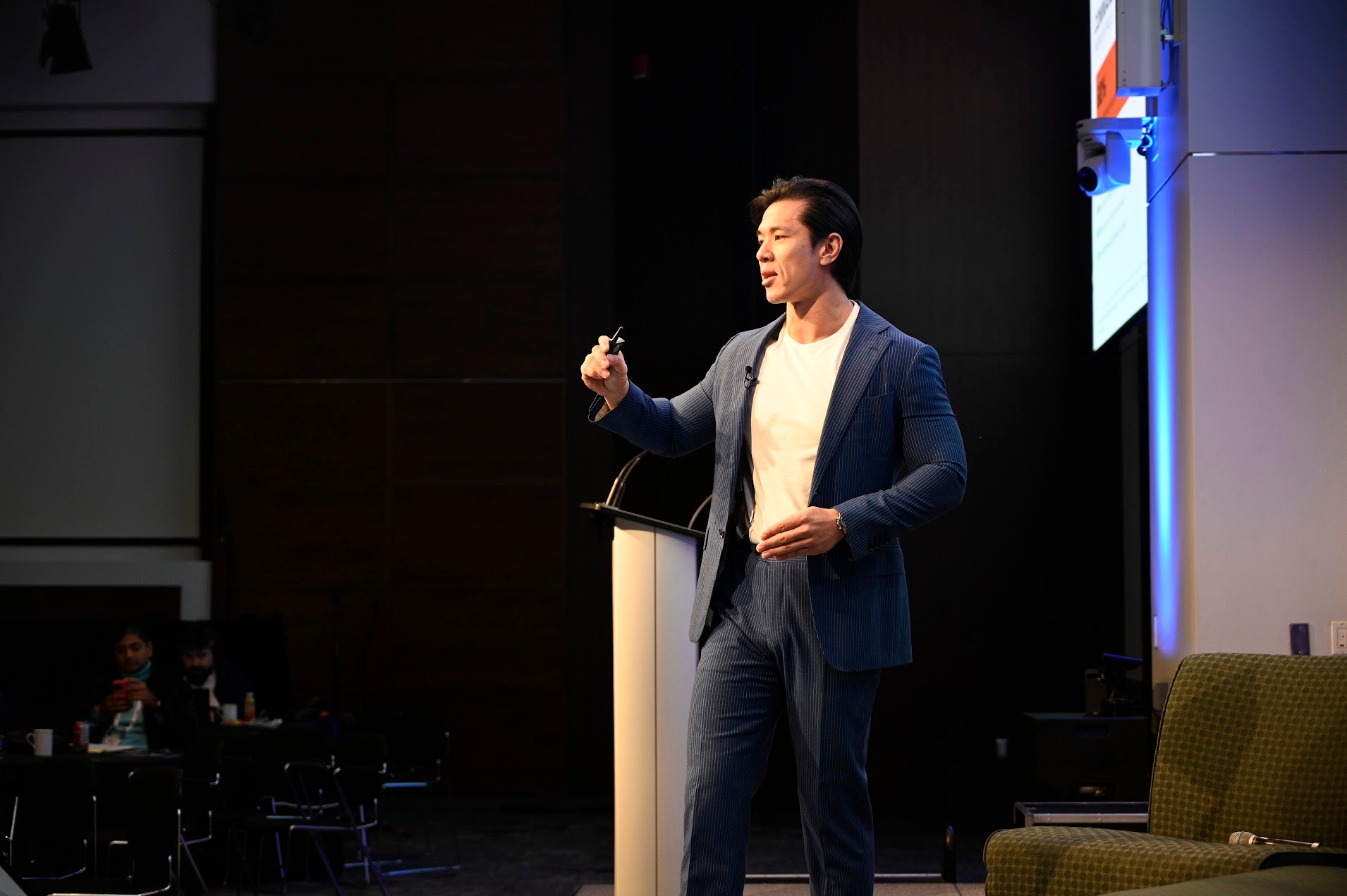
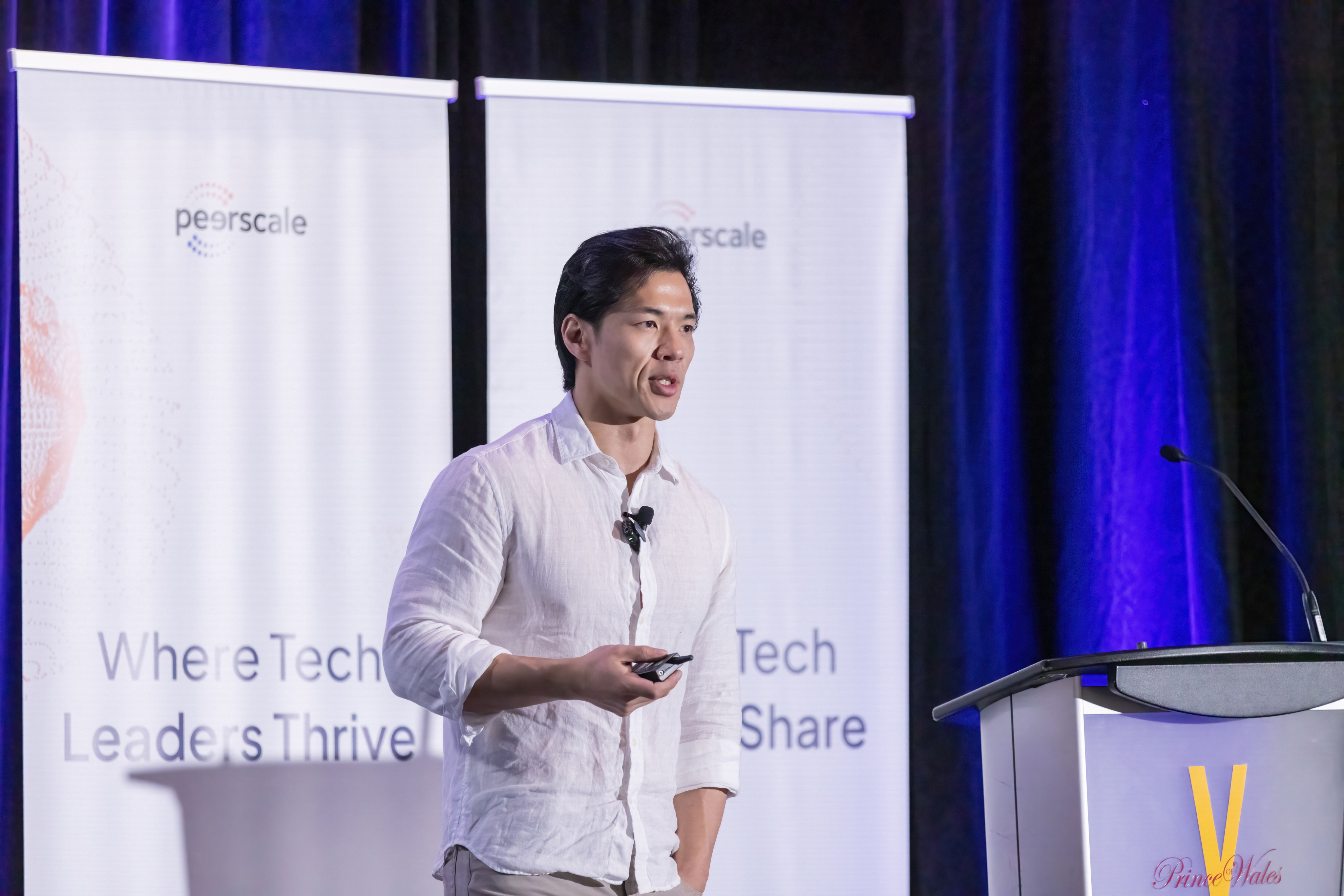
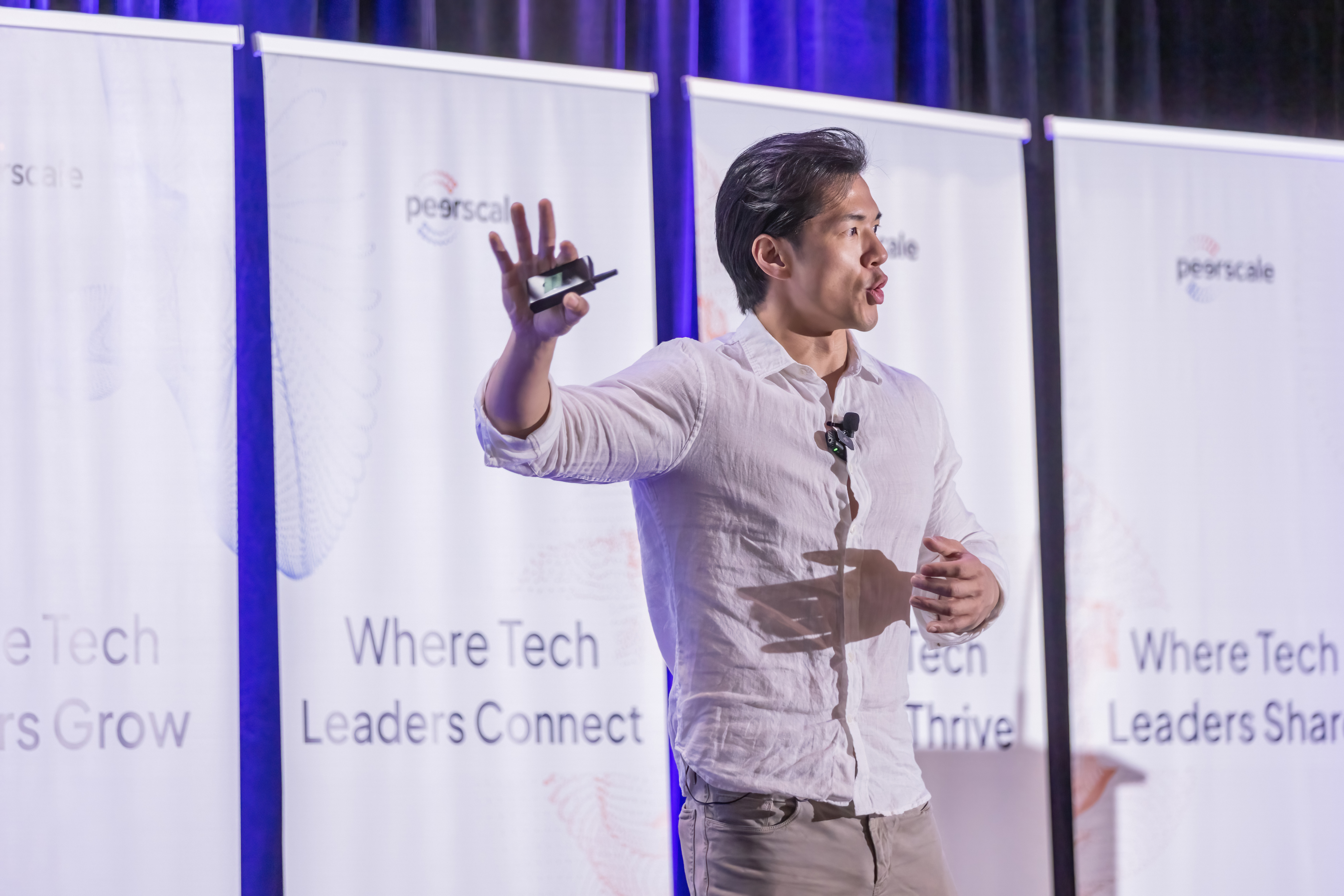
Nathan Yeung, Founder of ThinkingCritical.ai
According to the KPMG–University of Melbourne global trust study, Canada ranked 44th of 47 countries on AI training and literacy, and 42nd of 47 on trust in AI systems.
Government of Canada
Source: Canada’s National Artificial Intelligence Strategy: AI for All
Low literacy in AI is holding Canadians back from trusting the technology
Benjie Thomas, CEO and Senior Partner, KPMG in Canada
Learn AI now or risk losing your job, experts warn (Yalnizyan argued it has never been more urgent for workers and students to educate themselves on how to use AI if they want to remain competitive in the workforce)
Armine Yalnizyan, economist
Source: Business Wire: Majority of Canadians using AI without proper Training, new Data finds, Sept 2025)
While 42% of Canadians are currently using AI tools at work, out of those who do use it, only 33% state they are confident in their ability to use them effectively. This gap highlights widespread adoption without the necessary training or support.
Amy Sarkany, businesswire.com
Source: Majority of Canadians Using AI Without Proper Training, New Data Finds
A national survey found 60 percent of Canadians say they lack AI training, and nearly half admit they don't understand AI or when to use it.
CBC News
"Understanding AI can be hard. These Canadians are trying to help you figure it out" cbc.ca
WE BELIEVE MOST CANaDIANS HAVE BEeN LEFT TO FIGURE THIS OUT ON THEIR OWN, THROUGH SCATTErED TUTORIALS, SECONDHAND ADVICE AND QUIET TRIAL AND ERrOR.

What can AI actually do for someone like me?
THINKINGCRITICAL.AI REMOVES SHAME BEFORE IT INTRODUCES INSTRUCTION.
CONFIDeNCE IS RESTORED FIRST; CAPABILITY FOLLOwS.
1
We start with your problem, not our curriculum
Bring one real thing you are stuck on. Leave with it solved, and with a method you can use again. This is the Brand Promise in practice: every interaction should end with something made, solved or improved, never with something merely watched.
2
We teach you to think,not a tool
Tools change every few months. Judgment does not. Everything here works whether you are using a free tool tonight or a paid one next year, which is the organization's core belief in one sentence: AI should expand human capability, not create a new divide between people who understand it and people who do not.
3
We meet the real barrier, which is quiet, not technical
The person most confident in public is often the least confident in private, and seniority makes that harder to admit, not easier. Nothing here is built to make that worse.
A METhOD,
NOT A TReND
Canada does not have a shortage of AI programs. Between national strategy, university research and dozens of training initiatives, the pieces already exist. What's missing is one trusted place that turns all of it into something a working Canadian can actually use.
T
Target the real outcome
H
Hand over the right context
I
Inspect the answer
N
Narrow andimprove
K
Keep the human decision
NOT “CERTIFICATES”.
ReAL OUTCOmES.
A completed decision brief
A verified research comparison
A small application
A repeatable weekly workflow
A portfolio project
A working project plan
A presentation
A better way of learning a subject
A clear, personal set of AI rules
WHAT WE WILL
NEVeR DO
1
We will never lock basic capability behind a paywall.
The free path must remain genuinely useful, not a demonstration designed to frustrate people into paying.
2
We will never recommend a tool because a sponsor paid for the placement.
Sponsorships are disclosed, and recommendations stay independent of any single vendor.
3
We will never claim AI is always right.
Verification is part of every lesson, not an afterthought, because judgment becomes more valuable, not less, as the tools grow more powerful.
4
We will never ask you to hand over judgment along with your task.
AI should increase a person's agency. It should never be positioned as a replacement for their judgment.
BRING ThIS TO YOuR TEAM
Turn random AI experimentation into safe, measurable and role-specific capability.
Your people are already using AI, but without shared standards for safety or effectiveness. ThinkingCritical for Teams makes that work measurable—from an executive briefing to a department sprint—and every engagement produces something built, not merely explained.

Only one in eight Canadian businesses has formally integrated AI into its operations, even as nearly half of SME owners have already experimented with generative AI tools.
ThinkingCritical for Teams closes the gap between trying AI and using it operationally. With Ottawa aiming to raise business AI adoption from 12% to 60% by 2034, organizations need a safe, repeatable path forward.
FAQ
Is this only for people who already understand AI?

Do I need to pay to get real value from this?
Will this teach me one specific AI tool?
Is my information safe if I use AI at work?
When does ThinkingCritical.ai launch?
Is this connected to the government's AI strategy?
JOIN THE WaITLIST


© 2026 THINKINGCRITICAL.AI | ALL RIGHTS RESERVED
faq
Build your first thing
THINKINGCRITICAL.AI
CANADA’S PRACTICAL AI SCHOOL
AI IS CHANGInG WOrK.
YOU ArE NOT BeHIND.
Build useful things with AI through short, plain-language lessons for work, life and what comes next. Start with free tools. No coding, no hype and no technical background required.
Build your first thing
Train your team
Free path included
Tool-neutral
Privacy-aware
Human judgment required
YOU DO nOT NEED
ANOTHER COuRSE.
BRING ONE REAL PROBLEM AND BUILD SOMETHING USEFUL TODAY.
Most people who open a chatbot at 11pm and get a decent result walk away without knowing whether it was correct, safe, or something they could ever repeat with confidence at work. That uncertainty, not a lack of intelligence, is the actual gap.
ThinkingCritical.ai is not here to make you an AI expert. It is here to remove the guesswork, so that the next time you reach for a tool, you already know how to check its work, direct it properly, and decide what stays your call.
WHY ThIS EXISTs
CANaDA DOES NOT HAVE A SHORTAGe OF AI PrOGRAMS.
Between national strategy, university research and dozens of training initiatives, the pieces already exist. What's missing is one trusted place that turns all of it into something a working Canadian can actually use.
STRAIGHT FRoM OTTAWA, NOT JuST FROM US:
This isn't only our read of the situation. Canada's own national AI strategy, AI for All, names the same problem in its own words:
Canada has a substantial gap in AI training and literacy.
— Innovation, Science and Economic Development Canada, AI for All: Canada's National Artificial Intelligence Strategy, Pillar 2: Empowering Canadians, 2026
Most Canadians have been left to figure this out on their own, through scattered tutorials, secondhand advice and quiet trial and error
Nathan Yeung, Founder of ThinkingCritical.ai
According to the KPMG–University of Melbourne global trust study, Canada ranked 44th of 47 countries on AI training and literacy, and 42nd of 47 on trust in AI systems.
Government of Canada
Source: Canada’s National Artificial Intelligence Strategy: AI for All
Low literacy in AI is holding Canadians back from trusting the technology
Benjie Thomas, CEO and Senior Partner, KPMG in Canada
Learn AI now or risk losing your job, experts warn (Yalnizyan argued it has never been more urgent for workers and students to educate themselves on how to use AI if they want to remain competitive in the workforce)
Armine Yalnizyan, economist
Source: Business Wire: Majority of Canadians using AI without proper Training, new Data finds, Sept 2025)
While 42% of Canadians are currently using AI tools at work, out of those who do use it, only 33% state they are confident in their ability to use them effectively. This gap highlights widespread adoption without the necessary training or support.
Amy Sarkany, businesswire.com
Source: Majority of Canadians Using AI Without Proper Training, New Data Finds
A national survey found 60 percent of Canadians say they lack AI training, and nearly half admit they don't understand AI or when to use it.
CBC News
"Understanding AI can be hard. These Canadians are trying to help you figure it out" cbc.ca
WE BELIEVE MOST CANaDIANS HAVE BEeN LEFT TO FIGURE THIS OUT ON THEIR OWN, THROUGH SCATTErED TUTORIALS, SECONDHAND ADVICE AND QUIET TRIAL AND ERrOR.
Which tool should I use, and what's safe to tell it?
THINKINGCRITICAL.AI REMOVES SHAME BEFORE IT INTRODUCES INSTRUCTION.
CONFIDeNCE IS RESTORED FIRST; CAPABILITY FOLLOwS.
1
We start with your problem, not our curriculum
Bring one real thing you are stuck on. Leave with it solved, and with a method you can use again. This is the Brand Promise in practice: every interaction should end with something made, solved or improved, never with something merely watched.
2
We teach you to think,not a tool
Tools change every few months. Judgment does not. Everything here works whether you are using a free tool tonight or a paid one next year, which is the organization's core belief in one sentence: AI should expand human capability, not create a new divide between people who understand it and people who do not.
3
We meet the real barrier, which is quiet, not technical
The person most confident in public is often the least confident in private, and seniority makes that harder to admit, not easier. Nothing here is built to make that worse.
A METhOD,
NOT A TReND
Canada does not have a shortage of AI programs. Between national strategy, university research and dozens of training initiatives, the pieces already exist. What's missing is one trusted place that turns all of it into something a working Canadian can actually use.
T
Target the real outcome
H
Hand over the right context
I
Inspect the answer
N
Narrow andimprove
K
Keep the human decision
NOT “CERTIFICATES”.
ReAL OUTCOmES.
A completed decision brief
A verified research comparison
A small application
A repeatable weekly workflow
A portfolio project
A working project plan
A presentation
A better way of learning a subject
A clear, personal set of AI rules
WHAT WE WILL
NEVeR DO
1
We will never lock basic capability behind a paywall.
The free path must remain genuinely useful, not a demonstration designed to frustrate people into paying.
2
We will never recommend a tool because a sponsor paid for the placement.
Sponsorships are disclosed, and recommendations stay independent of any single vendor.
3
We will never claim AI is always right.
Verification is part of every lesson, not an afterthought, because judgment becomes more valuable, not less, as the tools grow more powerful.
4
We will never ask you to hand over judgment along with your task.
AI should increase a person's agency. It should never be positioned as a replacement for their judgment.
BRING ThIS TO YOuR TEAM
Turn random AI experimentation into safe, measurable and role-specific capability.
Your people are already experimenting with AI, quietly and unevenly, with no shared standard for what is safe or effective. ThinkingCritical for Teams turns that scattered activity into something measurable, from a single executive briefing to a full department-wide workflow sprint. Every engagement ends the way our individual lessons do: with something built, not just something explained.

Only one in eight Canadian businesses has formally integrated AI into its operations, even as nearly half of SME owners have already experimented with generative AI tools.
That gap between trying AI once and actually running on it is precisely what ThinkingCritical for Teams is built to close. Ottawa is also targeting a jump in overall business AI adoption from roughly 12 percent today to 60 percent by 2034, so this isn't a small curve, and most organizations don't yet have a safe, repeatable way to get their people onto it.
FAQ
Is this only for people who already understand AI?
Do I need to pay to get real value from this?
Will this teach me one specific AI tool?
Is my information safe if I use AI at work?
When does ThinkingCritical.ai launch?
Is this connected to the government's AI strategy?
JOIN THE WaITLIST


© 2026 THINKINGCRITICAL.AI
ALL RIGHTS RESERVED
Why we’re here
OUR METHOd
who we are
faq
Build your first thing
THINKINGCRITICAL.AI
CANADA’S PRACTICAL AI SCHOOL
AI IS CHANGInG WOrK.
YOU ArE NOT BeHIND.
Build useful things with AI through short, plain-language lessons for work, life and what comes next. Start with free tools. No coding, no hype and no technical background required.
Build your first thing
LEARN MORE
Free path included
Tool-neutral
Privacy-aware
Human judgment required
YOU DO nOT NEED
ANOTHER COuRSE.
BRING ONE REAL PROBLEM AND BUILD SOMETHING USEFUL TODAY.
Most people who open a chatbot at 11pm and get a decent result walk away without knowing whether it was correct, safe, or something they could ever repeat with confidence at work. That uncertainty, not a lack of intelligence, is the actual gap.
ThinkingCritical.ai is not here to make you an AI expert. It is here to remove the guesswork, so that the next time you reach for a tool, you already know how to check its work, direct it properly, and decide what stays your call.
WHY ThIS EXISTs
CANaDA DOES NOT HAVE A SHORTAGe OF AI PrOGRAMS.
Between national strategy, university research and dozens of training initiatives, the pieces already exist. What's missing is one trusted place that turns all of it into something a working Canadian can actually use.
STRAIGHT FRoM OTTAWA, NOT JuST FROM US:
This isn't only our read of the situation. Canada's own national AI strategy, AI for All, names the same problem in its own words:
Canada has a substantial gap in AI training and literacy.
— Innovation, Science and Economic Development Canada, AI for All: Canada's National Artificial Intelligence Strategy, Pillar 2: Empowering Canadians, 2026
Most Canadians have been left to figure this out on their own, through scattered tutorials, secondhand advice and quiet trial and error
Nathan Yeung, Founder of ThinkingCritical.ai
According to the KPMG–University of Melbourne global trust study, Canada ranked 44th of 47 countries on AI training and literacy, and 42nd of 47 on trust in AI systems.
Government of Canada
Source: Canada’s National Artificial Intelligence Strategy: AI for All
Low literacy in AI is holding Canadians back from trusting the technology
Benjie Thomas, CEO and Senior Partner, KPMG in Canada
Learn AI now or risk losing your job, experts warn (Yalnizyan argued it has never been more urgent for workers and students to educate themselves on how to use AI if they want to remain competitive in the workforce)
Armine Yalnizyan, economist
Source: Business Wire: Majority of Canadians using AI without proper Training, new Data finds, Sept 2025)
While 42% of Canadians are currently using AI tools at work, out of those who do use it, only 33% state they are confident in their ability to use them effectively. This gap highlights widespread adoption without the necessary training or support.
Amy Sarkany, businesswire.com
Source: Majority of Canadians Using AI Without Proper Training, New Data Finds
A national survey found 60 percent of Canadians say they lack AI training, and nearly half admit they don't understand AI or when to use it.
CBC News
"Understanding AI can be hard. These Canadians are trying to help you figure it out" cbc.ca
WE BELIEVE MOST CANaDIANS HAVE BEeN LEFT TO FIGURE THIS OUT ON THEIR OWN, THROUGH SCATTErED TUTORIALS, SECONDHAND ADVICE AND QUIET TRIAL AND ERrOR.
How do I know whether the answer it gave me is right?
THINKINGCRITICAL.AI REMOVES SHAME BEFORE IT INTRODUCES INSTRUCTION.
CONFIDeNCE IS RESTORED FIRST; CAPABILITY FOLLOwS.
1
We start with your problem, not our curriculum
Bring one real thing you are stuck on. Leave with it solved, and with a method you can use again. This is the Brand Promise in practice: every interaction should end with something made, solved or improved, never with something merely watched.
2
We teach you to think,not a tool
Tools change every few months. Judgment does not. Everything here works whether you are using a free tool tonight or a paid one next year, which is the organization's core belief in one sentence: AI should expand human capability, not create a new divide between people who understand it and people who do not.
3
We meet the real barrier, which is quiet, not technical
The person most confident in public is often the least confident in private, and seniority makes that harder to admit, not easier. Nothing here is built to make that worse.
A METhOD,
NOT A TReND
Canada does not have a shortage of AI programs. Between national strategy, university research and dozens of training initiatives, the pieces already exist. What's missing is one trusted place that turns all of it into something a working Canadian can actually use.
T
Target the real outcome
H
Hand over the right context
I
Inspect the answer
N
Narrow andimprove
K
Keep the human decision
NOT “CERTIFICATES”.
ReAL OUTCOmES.
A completed decision brief
A verified research comparison
A small application
A repeatable weekly workflow
A portfolio project
A working project plan
A presentation
A better way of learning a subject
A clear, personal set of AI rules
WHAT WE WILL
NEVeR DO
1
We will never lock basic capability behind a paywall.
The free path must remain genuinely useful, not a demonstration designed to frustrate people into paying.
2
We will never recommend a tool because a sponsor paid for the placement.
Sponsorships are disclosed, and recommendations stay independent of any single vendor.
3
We will never claim AI is always right.
Verification is part of every lesson, not an afterthought, because judgment becomes more valuable, not less, as the tools grow more powerful.
4
We will never ask you to hand over judgment along with your task.
AI should increase a person's agency. It should never be positioned as a replacement for their judgment.
BRING ThIS TO YOuR TEAM
Turn random AI experimentation into safe, measurable and role-specific capability.
Your people are already experimenting with AI, quietly and unevenly, with no shared standard for what is safe or effective. ThinkingCritical for Teams turns that scattered activity into something measurable, from a single executive briefing to a full department-wide workflow sprint. Every engagement ends the way our individual lessons do: with something built, not just something explained.
Only one in eight Canadian businesses has formally integrated AI into its operations, even as nearly half of SME owners have already experimented with generative AI tools.
That gap between trying AI once and actually running on it is precisely what ThinkingCritical for Teams is built to close. Ottawa is also targeting a jump in overall business AI adoption from roughly 12 percent today to 60 percent by 2034, so this isn't a small curve, and most organizations don't yet have a safe, repeatable way to get their people onto it.
FAQ
Is this only for people who already understand AI?
Do I need to pay to get real value from this?
Will this teach me one specific AI tool?
Is my information safe if I use AI at work?
When does ThinkingCritical.ai launch?
Is this connected to the government's AI strategy?
JOIN THE WaITLIST


© 2026 THINKINGCRITICAL.AI | ALL RIGHTS RESERVED
Why we’re here
OUR METHOd
who we are
faq
Build your first thing
THINKINGCRITICAL.AI
CANADA’S PRACTICAL AI SCHOOL
AI IS CHANGInG WOrK.
YOU ArE NOT BeHIND.
Build useful things with AI through short, plain-language lessons for work, life and what comes next. Start with free tools. No coding, no hype and no technical background required.
Build your first thing
LEARN MORE
Free path included
Tool-neutral
Privacy-aware
Human judgment required
YOU DO nOT NEED
ANOTHER COuRSE.
BRING ONE REAL PROBLEM AND BUILD SOMETHING USEFUL TODAY.
Most people who open a chatbot at 11pm and get a decent result walk away without knowing whether it was correct, safe, or something they could ever repeat with confidence at work. That uncertainty, not a lack of intelligence, is the actual gap.
ThinkingCritical.ai is not here to make you an AI expert. It is here to remove the guesswork, so that the next time you reach for a tool, you already know how to check its work, direct it properly, and decide what stays your call.
WHY ThIS EXISTs
CANaDA DOES NOT HAVE A SHORTAGe OF AI PrOGRAMS.
Between national strategy, university research and dozens of training initiatives, the pieces already exist. What's missing is one trusted place that turns all of it into something a working Canadian can actually use.
STRAIGHT FRoM OTTAWA, NOT JuST FROM US:
This isn't only our read of the situation. Canada's own national AI strategy, AI for All, names the same problem in its own words:
Canada has a substantial gap in AI training and literacy.
— Innovation, Science and Economic Development Canada, AI for All: Canada's National Artificial Intelligence Strategy, Pillar 2: Empowering Canadians, 2026
Most Canadians have been left to figure this out on their own, through scattered tutorials, secondhand advice and quiet trial and error
Nathan Yeung, Founder of ThinkingCritical.ai
According to the KPMG–University of Melbourne global trust study, Canada ranked 44th of 47 countries on AI training and literacy, and 42nd of 47 on trust in AI systems.
Government of Canada
Source: Canada’s National Artificial Intelligence Strategy: AI for All
Low literacy in AI is holding Canadians back from trusting the technology
Benjie Thomas, CEO and Senior Partner, KPMG in Canada
Learn AI now or risk losing your job, experts warn (Yalnizyan argued it has never been more urgent for workers and students to educate themselves on how to use AI if they want to remain competitive in the workforce)
Armine Yalnizyan, economist
Source: Business Wire: Majority of Canadians using AI without proper Training, new Data finds, Sept 2025)
While 42% of Canadians are currently using AI tools at work, out of those who do use it, only 33% state they are confident in their ability to use them effectively. This gap highlights widespread adoption without the necessary training or support.
Amy Sarkany, businesswire.com
Source: Majority of Canadians Using AI Without Proper Training, New Data Finds
A national survey found 60 percent of Canadians say they lack AI training, and nearly half admit they don't understand AI or when to use it.
CBC News
"Understanding AI can be hard. These Canadians are trying to help you figure it out" cbc.ca
WE BELIEVE MOST CANaDIANS HAVE BEeN LEFT TO FIGURE THIS OUT ON THEIR OWN, THROUGH SCATTErED TUTORIALS, SECONDHAND ADVICE AND QUIET TRIAL AND ERrOR.
How do I know whether the answer it gave me is right?
THINKINGCRITICAL.AI REMOVES SHAME BEFORE IT INTRODUCES INSTRUCTION.
CONFIDeNCE IS RESTORED FIRST; CAPABILITY FOLLOwS.
1
We start with your problem, not our curriculum
Bring one real thing you are stuck on. Leave with it solved, and with a method you can use again. This is the Brand Promise in practice: every interaction should end with something made, solved or improved, never with something merely watched.
2
We teach you to think,not a tool
Tools change every few months. Judgment does not. Everything here works whether you are using a free tool tonight or a paid one next year, which is the organization's core belief in one sentence: AI should expand human capability, not create a new divide between people who understand it and people who do not.
3
We meet the real barrier, which is quiet, not technical
The person most confident in public is often the least confident in private, and seniority makes that harder to admit, not easier. Nothing here is built to make that worse.
A METhOD,
NOT A TReND
Canada does not have a shortage of AI programs. Between national strategy, university research and dozens of training initiatives, the pieces already exist. What's missing is one trusted place that turns all of it into something a working Canadian can actually use.
T
Target the real outcome
H
Hand over the right context
I
Inspect the answer
N
Narrow and improve
K
Keep the human decision
NOT “CERTIFICATES”.
ReAL OUTCOmES.
A completed decision brief
A verified research comparison
A small application
A repeatable weekly workflow
A portfolio project
A working project plan
A presentation
A better way of learning a subject
A clear, personal set of AI rules
WHAT WE WILL
NEVeR DO
1
We will never lock basic capability behind a paywall.
The free path must remain genuinely useful, not a demonstration designed to frustrate people into paying.
2
We will never recommend a tool because a sponsor paid for the placement.
Sponsorships are disclosed, and recommendations stay independent of any single vendor.
3
We will never claim AI is always right.
Verification is part of every lesson, not an afterthought, because judgment becomes more valuable, not less, as the tools grow more powerful.
4
We will never ask you to hand over judgment along with your task.
AI should increase a person's agency. It should never be positioned as a replacement for their judgment.
BRING ThIS TO YOuR TEAM
Turn random AI experimentation into safe, measurable and role-specific capability.
Your people are already experimenting with AI, quietly and unevenly, with no shared standard for what is safe or effective. ThinkingCritical for Teams turns that scattered activity into something measurable, from a single executive briefing to a full department-wide workflow sprint. Every engagement ends the way our individual lessons do: with something built, not just something explained.
Only one in eight Canadian businesses has formally integrated AI into its operations, even as nearly half of SME owners have already experimented with generative AI tools.
That gap between trying AI once and actually running on it is precisely what ThinkingCritical for Teams is built to close. Ottawa is also targeting a jump in overall business AI adoption from roughly 12 percent today to 60 percent by 2034, so this isn't a small curve, and most organizations don't yet have a safe, repeatable way to get their people onto it.
FAQ
Is this only for people who already understand AI?
Do I need to pay to get real value from this?
Will this teach me one specific AI tool?
Is my information safe if I use AI at work?
When does ThinkingCritical.ai launch?
Is this connected to the government's AI strategy?
JOIN THE WaITLIST
© 2026 THINKINGCRITICAL.AI | ALL RIGHTS RESERVED